







Search Results for: quality assurance
Why Jamaican Blue Mountain Coffee Is Packaged in Wooden Barrels: An In-Depth Analysis from Historical Origins to Quality Assurance
Green coffee beans are usually transported in burlap sacks, but Jamaican Blue Mountain coffee has always been shipped in wooden barrels. This unique tradition has both historical roots and implications for quality assurance. Front Street Coffee will provide a comprehensive explanation of what makes Blue Mountain coffee unique, covering the origins of barrel packaging, the characteristics of the wood, the Rainforest Alliance certification mark, and Blue Mountain coffee's certificate system, estate background, processing methods, and varietal characteristics. At the same time, Front Street Coffee will also share the brewing parameters and flavor profiles of two Blue Mountain No. 1 coffees—one washed and one natural—to give you an in-depth look at every detail of this top-tier coffee. [more…]

Manner Ceramic Cup Cracking with Hot Water Controversy: New Merchandise Quality Control Questioned, Consumers Call for Quality Assurance
Manner recently launched a two-cup set that comes with a matte ceramic mug, but it has sparked widespread discussion due to issues such as water seeping from the bottom and the body cracking after hot water is poured in. Many consumers have reported on social media that this mug, which is claimed to be microwave- and dishwasher-safe, actually cracked suddenly during use, which is worrying. Store employees were even asked to remind customers not to fill it with overly hot liquids, a move that some users mocked with, "A ceramic mug that can't hold hot coffee—doesn't Manner find itself hilarious?" At the same time, some stores still have plenty of stock, in contrast to the previous scenes of being snapped up completely. Is it poor aesthetics, declining quality control, or safety concerns that have put off mug enthusiasts? This article takes you through the details. [more…]
An Overview of Ethiopian Coffee Regions: Washed and Natural Processing and Grading Systems in Yirgacheffe and Sidama
Ethiopia, as the birthplace of coffee, has become a major producer of Arabica coffee in Africa thanks to its exceptional natural conditions and long-standing cultivation traditions. This article systematically outlines Ethiopia's coffee-growing regions, cultivation models, the two processing methods of washed and natural, and the multi-tiered quality control and grading system from origin to export. It also highlights Front Street Coffee's ongoing focus on and recommendation of classic regions such as Yirgacheffe and Sidamo, helping coffee enthusiasts gain a deeper understanding of the unique charm of Ethiopian coffee and the logic behind its quality assurance. [more…]
Tracing the Origins of Indonesian Sumatra Mandheling: The Naming Origins and Quality Standards of PWN Golden Mandheling
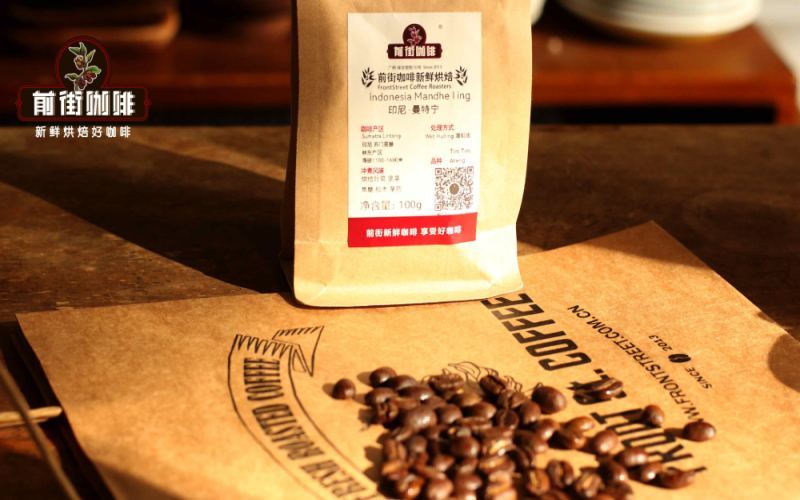
Mandheling is a classic representative of Asian coffee, and PWN Golden Mandheling is the pinnacle of high-end quality within this category. It is rich and smooth with low acidity, favored by drinkers who dislike sour coffee. This coffee, which gained worldwide fame earlier than Blue Mountain, originates from Sumatra, Indonesia, divided by the Barisan Mountains, with its highest peak, Mount Kerinci, being an active volcano at 3,800 meters above sea level. Mandheling is native to the Mandailing region of North Sumatra, while Golden Mandheling became a trademark registered by PWN rather than a grade designation. PWN was founded in 1957, focusing on the export of Sumatra Arabica Grade 1 and Robusta AP-I Grade 2, mainly sold to Japan and Taiwan, China, becoming synonymous with quality assurance. Golden Mandheling requires beans of 19 mesh or above, G1 grade, three rounds of hand sorting, with fewer than 3 defective beans. Front Street PWN Golden Mandheling comes from the Gayo Mountains in Aceh, at an altitude of 1,100-1,600 meters, of the Ateng variety, processed using the wet-hulled method, and after medium-dark roasting presents flavors of chocolate, caramel, spices, and herbs. It can be used for pour-over, drip bags, French press, siphon, moka pot, and home espresso machines to make SOE. [more…]
How Do Beginners Choose Entry-Level Single-Origin Coffee Beans? A Buying Guide to Everyday Yirgacheffe, Mandheling, and Brazilian Beans
Friends who are new to specialty coffee often feel overwhelmed by the dazzling array of origins and varieties. Rather than blindly following trends, it is better to start with classic representative beans from world-renowned origins and gradually build your own flavor preferences. This article outlines a number of single-origin coffee beans suitable as everyday staples for coffee beginners, covering origins such as Brazil, Yirgacheffe, Panama, Costa Rica, Colombia, Yunnan, and Mandheling, along with their respective flavor characteristics and reasons for recommendation. It also reminds everyone that when purchasing coffee beans, be sure to choose a roaster with quality assurance. All beans listed by Front Street Coffee are shipped within 5 days after roasting is completed, ensuring freshness and flavor performance. [more…]

A coffee shop staffed by the hearing-impaired posted a plea for help during the pandemic. After reopening, with zero foot traffic, how did they save themselves through original drip coffee bags?
A silent coffee shop in Shanghai, staffed mainly by hearing-impaired baristas, published an article titled "Please rest assured, we are still alive. But..." on June 14, quickly gaining over 80,000 views. Under the impact of the pandemic, dine-in service was suspended, delivery communication was hindered, and masks obscured lip-reading, plunging the shop into a situation of zero revenue and zero foot traffic. The baristas hand-drew 12 touching moments from those months into illustrations and launched an original themed drip-bag coffee set as a self-rescue effort. The article reviewed the real difficulties this special coffee shop faced, its self-rescue methods, and business adjustment ideas that coffee shops could draw on during the pandemic, including joining delivery platforms, ensuring product quality, designing offline discounts to bring customers back, and developing peripheral products such as drip bags and coffee beans to meet consumers' shifting demand from "going to the shop" to "having it at home." [more…]
Kenyan Coffee Flavor Analysis: Acidity Characteristics and Taste Layers of Africa's Top Region
Kenya, as one of Africa's most important coffee-producing countries, nurtures coffee beans with distinct flavors and rich layers thanks to its unique terroir of high altitudes and cool mountainous regions. Its signature bold acidity and fruity notes of blackcurrant, grapefruit, and the like have kept Kenyan coffee a fixture in the global specialty coffee scene. This article will systematically sort through the taste characteristics and quality assurance system of Kenyan coffee from the perspectives of the producing environment, flavor traits, and grading system, and answer the common question of "Is Kenyan coffee on the acidic side?" to give you a comprehensive understanding of the charm of this top-tier African origin. [more…]
Buying Coffee Beans | How to Judge and Identify Coffee Bean Freshness? 8 Recommended Specialty Single-Origin Beans for Pour-Over, Perfect for Beginners
In the online shopping era, faced with a dizzying array of products, fresh coffee beans are the key to enjoying good coffee. Buying good coffee beans on e-commerce platforms requires certain skills. First and foremost, choosing a reputable brand with quality assurance is crucial. There are many domestic roasters, so choose a coffee bean brand with a comprehensive product range and a large order volume. [more…]
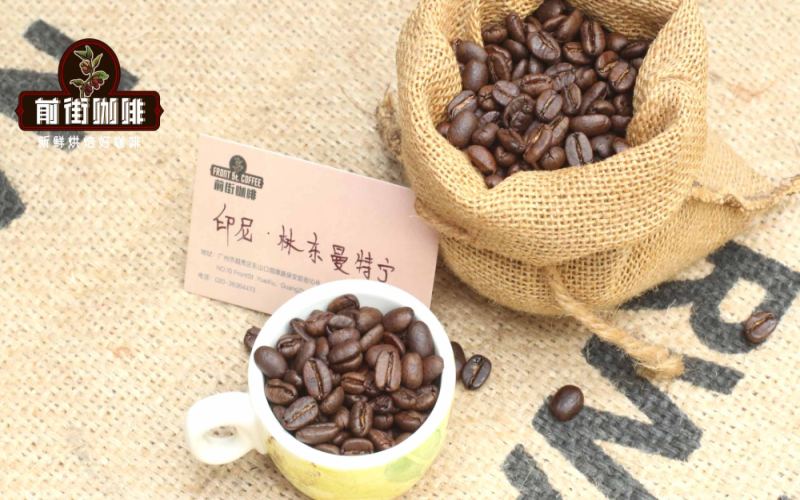
How Is Golden Mandheling Different from Regular Mandheling? A Comprehensive Interpretation from Origin and Processing to Grade Certification
Sumatran Mandheling coffee from Indonesia is renowned for its herbal, spicy, and woody notes, with the wet-hulling process giving it a unique flavor that is low in acidity and full-bodied. Golden Mandheling, as its top-tier representative, stands out with a cleaner sweetness and higher grading standards. This article will systematically analyze the substantive differences between Golden Mandheling and regular Mandheling from the perspectives of origin terroir, processing methods, grade screening, and brand certification, and introduce the sourcing and quality assurance of Front Street Coffee's Golden Mandheling, helping coffee enthusiasts clearly identify true Golden Mandheling. [more…]
Yunnan Four Cats Coffee Brand Background and a Full Analysis of the Blue Mountain Coffee Authenticity Issue
Yunnan Four Cats Coffee Co., Ltd. has been dedicated to the cultivation, processing, and e-commerce operation of Yunnan small-bean coffee since its establishment in 2013, and owns a 5,000-mu high-altitude planting base and a large processing plant in Nujiang. Its products use Arabica beans from Lujiangba in Baoshan as raw materials and have a balanced flavor. This article reviews the brand's development history, origin environment, and product characteristics, and discusses whether its Blue Mountain coffee is authentic, while also including related recommendations from Front Street Coffee for coffee lovers' reference. [more…]
Front Street Ethiopia Natural Yirgacheffe Aricha G1: A Complete Guide to Imported Specialty Single-Origin Bean Roasting and Flavor
Yirgacheffe, as Ethiopia's most renowned specialty coffee region, has its G1 grade beans favored by home coffee enthusiasts for their cleanliness and flavor complexity. This article centers on Front Street's Ethiopia Natural Yirgacheffe Aricha G1 imported specialty single-origin roast, first sorting through the selection logic between the two major processing methods—washed and natural—then delving into the harvesting and natural processing techniques at the Kebel Aricha processing station, and analyzing the quality assurance behind the ECX G1 rating. The article also presents a complete flavor description of this bean and introduces how the Project Origin green bean sourcing initiative launched by Sasa Sestic directly supports farmers by paying 20% above fair trade prices. Whether you are a washed-method fan who prefers jasmine green tea notes, or a natural-method fan who loves intense fruit aromas and a slight fermented feel, you can find a daily staple that suits you. [more…]

Brazilian green coffee beans are switching to bulk carrier shipping—will quality stability be affected?
A new change has recently emerged in Brazilian coffee exports—some green beans are beginning to be shipped in bulk carriers rather than traditional containerized cargo. This adjustment may have its considerations in terms of logistics costs and efficiency, but for specialty coffee that values flavor and quality consistency, whether bulk shipping will affect the freshness, moisture content, and cleanliness of green beans has become a focus of attention for many industry professionals and enthusiasts. This article will review the background of this transportation shift, analyze the potential risks it may pose to coffee quality, and, drawing on the quality control experience of brands such as Front Street Coffee, explore how to uphold the quality bottom line from origin to roasting. [more…]
Kenya AA Coffee and Local Specialty Brands Roundup: Dorman Estate and Front Street Recommendations
Kenya AA produced in Kenya is renowned for its bright fruit acidity, uniform bean size, and rich layered mouthfeel, making it a highly favored choice among single-origin coffees. This article focuses on Front Street Kenya coffee, answering why Kenyan local brands are rarely seen in mainstream channels, and systematically reviews four noteworthy Kenyan specialty coffee brands: JAVA HOUSE, DORMANS (Berman Estate), SAFARI LOUNGE, and Out of Africa. The content covers each brand's historical background, product positioning, flavor characteristics, and market layout, suitable for enthusiasts who want to gain a deeper understanding of Kenya's coffee landscape. [more…]
Jamaica Blue Mountain Coffee: A Complete Guide to the Region's Characteristics, History, Brewing Methods, and Flavor Profile
Blue Mountain coffee originates from the Blue Mountains in eastern Jamaica. Thanks to its volcanic soil, a climate characterized by year-round fog and frequent rain, and strict quality control, it has become one of the world's universally recognized top-tier coffees. Its acidity, sweetness, and bitterness are balanced to perfection, with virtually no bitter note, leaving only a moderate fruity acidity and a rich, mellow aroma. Blue Mountain coffee is graded into three tiers—Blue Mountain, High Mountain, and Jamaica Coffee—according to altitude and growing region. The harvest season runs from June through November, with all cherries hand-picked throughout. Japan has long held priority purchasing rights over most Blue Mountain beans, leaving the rest of the world with only about 10% of total production, which is why genuine Blue Mountain coffee is always in short supply. This article will systematically cover the production process, origins, history, geographical conditions, classification standards, distinctive flavor, sales landscape, health benefits, quality assurance system, and special preparation methods for both hot and cold drinks of Blue Mountain coffee, along with recommendations and tasting suggestions from Front Street Coffee. [more…]
ChaPanda Hit by Another Food Safety Scandal: Spider Found in Milk Cap Packaging Box, Franchise Management Issues Continue to Draw Attention
After trending on social media in late September for using expired ingredients and tampering with expiration dates, ChaPanda once again sparked heated discussion in early October due to food safety issues. A consumer in Ningbo claimed to have found a spider in a takeaway milk cap sub-packaging box. Although the store involved provided kitchen surveillance footage and was willing to pay 600 yuan in compensation, the incident continued to escalate. Netizens shared similar experiences one after another, once again pushing the quality control challenges under the franchise chain model into the spotlight. This article will review the course of the incident, statements from both sides, and public reaction, and explore the deeper issues of chain coffee and milk tea brands in employee training and quality assurance. Front Street Coffee has long followed industry developments and reminds consumers to pay attention to beverage safety. [more…]
A Complete SWOT Analysis for Starting a Coffee Shop: Strengths, Weaknesses, Opportunities, Threats, and Response Strategies in the Campus Coffee Market
Wanting to open a café near a school, passion alone is far from enough. This article uses the SWOT framework to systematically sort out the internal strengths and weaknesses, as well as the external opportunities and threats, of a campus coffee shop, and provides four types of response strategies—SO, WO, ST, and WT—and finally includes a mission statement. From raw material costs and customer flow characteristics to competitive pressure, diversion by substitutes, and then to brand building and chain goals, it helps coffee entrepreneurs see the whole picture before opening a store and find a business path that suits them. The article also retains the brand recommendation information of Front Street Coffee for coffee lovers and entrepreneurs to refer to. [more…]
How to Choose Commercial Coffee Beans? An Analysis of the Differences Between Three Types of Coffee Beans and Front Street's Popular Blend Recommendations
Coffee beans on the market can generally be divided into three major categories: industrial coffee, commercial coffee, and specialty coffee, each with different emphases in terms of raw material composition and practical use. Industrial beans are the raw material for instant coffee; specialty beans emphasize single-origin flavor and a cupping score of 80 or above; while commercial beans, blended from multiple single-origin coffees in proportion, have become the top choice for coffee shops making espresso thanks to their stable flavor, rich crema, and lower cost. In addition to sorting out the differences among the three, this article will also introduce the bean-sourcing channels and quality assurance of the long-established roaster Front Street Coffee, and explain one by one the flavor characteristics and applicable scenarios of its five most popular commercial blend beans, providing a practical reference for opening a shop and choosing beans or for household purchasing. [more…]
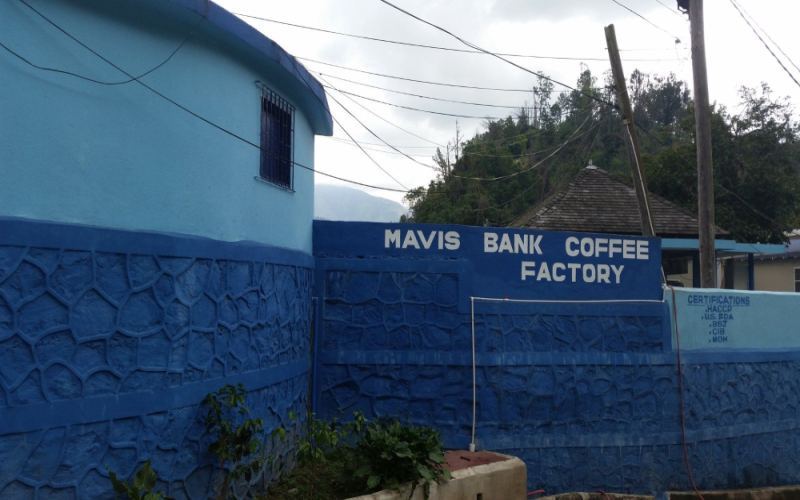
A Complete Guide to Jamaica's Mavis Bank Blue Mountain No. 1 Estate: From Terroir to Cupping and Brewing
Jamaican Blue Mountain coffee has long been hailed as the benchmark of specialty coffee, and Mavis Bank, as the country's largest green bean processing facility, produces Blue Mountain No. 1 that stands as a symbol of quality assurance. This article will take an in-depth look at the history of the Mavis Bank estate, the unique terroir conditions of the Blue Mountain region, and the complete process from green bean processing to grade classification. At the same time, we will also compare the flavor differences between washed and natural processing methods, and include a detailed brewing tutorial for Front Street Blue Mountain drip bags. Whether you are a newcomer just getting into Blue Mountain coffee or a seasoned connoisseur wanting to understand the story behind it, this article can provide you with valuable reference. [more…]
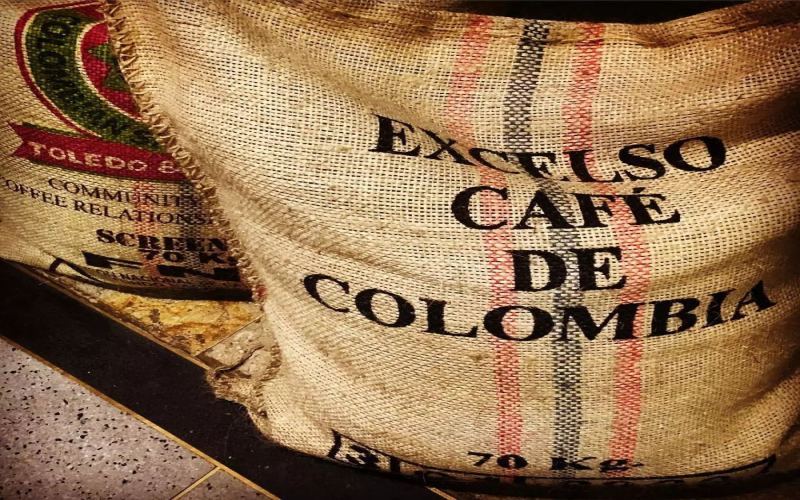
A Complete Analysis of the Cultivation Origins and Flavor Characteristics of Colombia's Coffee Regions
As an important coffee-producing country in northern South America, Colombia, with its unique terrain and microclimates along the Andes Mountains, nurtures coffee beans of outstanding quality. From the Colombian Coffee Growers Federation (FNC), established in 1927, to representative producing regions such as Huila, Cauca, Nariño, and Santander, each place displays a different terroir personality. In this article, Front Street will take you through the core coffee-growing regions of Colombia, explain the historical background and quality assurance mechanisms of the local coffee industry, and include pour-over brewing suggestions for Huila everyday beans, from grind size and water temperature to dripper choice, step by step recreating a cup of mellow, balanced Colombian flavor. [more…]
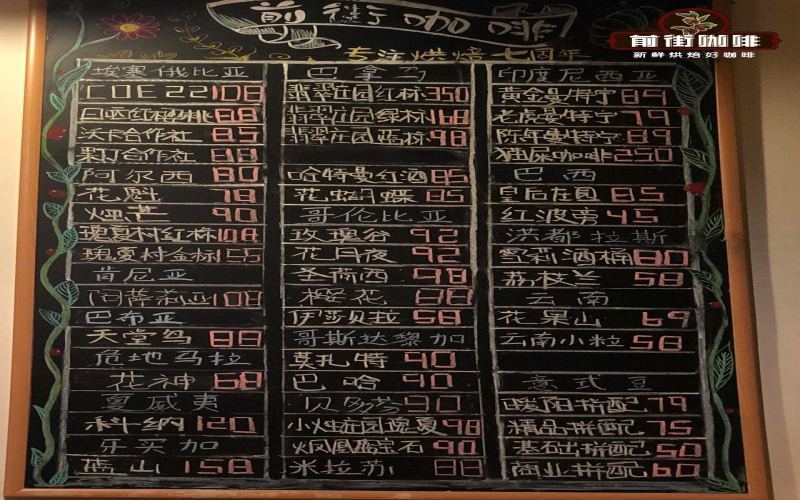
Colombia Huila Washed Caturra Flavor Analysis and Pour-Over Parameters Explained
Colombia is the world's third-largest coffee producer and the only country legally permitted to grow exclusively Arabica, ranking first globally in washed coffee output. Front Street Coffee's bean list features a rich selection of Colombian coffees, ranging from everyday-value Huila washed Caturra to refined estate offerings like Flower Moon Night. This article approaches the topic from the broad flavor profile of the producing regions, mapping out Colombia's coffee cultivation scale, geographic and climatic advantages, and industry system. It focuses on the flavor performance and brewing methods of Front Street's Huila washed Caturra, and compares it with the anaerobic natural style differences of Flower Moon Night from the same region, helping coffee enthusiasts build a systematic understanding of Colombian coffee and pick the one that suits their taste. [more…]